Local life · Waterloo, Ontario
Published
Service Dogs in Waterloo Cafés: Access, Behaviour and Ontario’s Rules
In Ontario, a vest is not a universal certification system and service-animal owners are not required to carry a special identity card. Businesses can follow the province’s identification and documentation rules when needed. A brief observation of a dog sniffing or taking a break does not establish that its handler is pretending to have a disability.
Facts checked
In this story
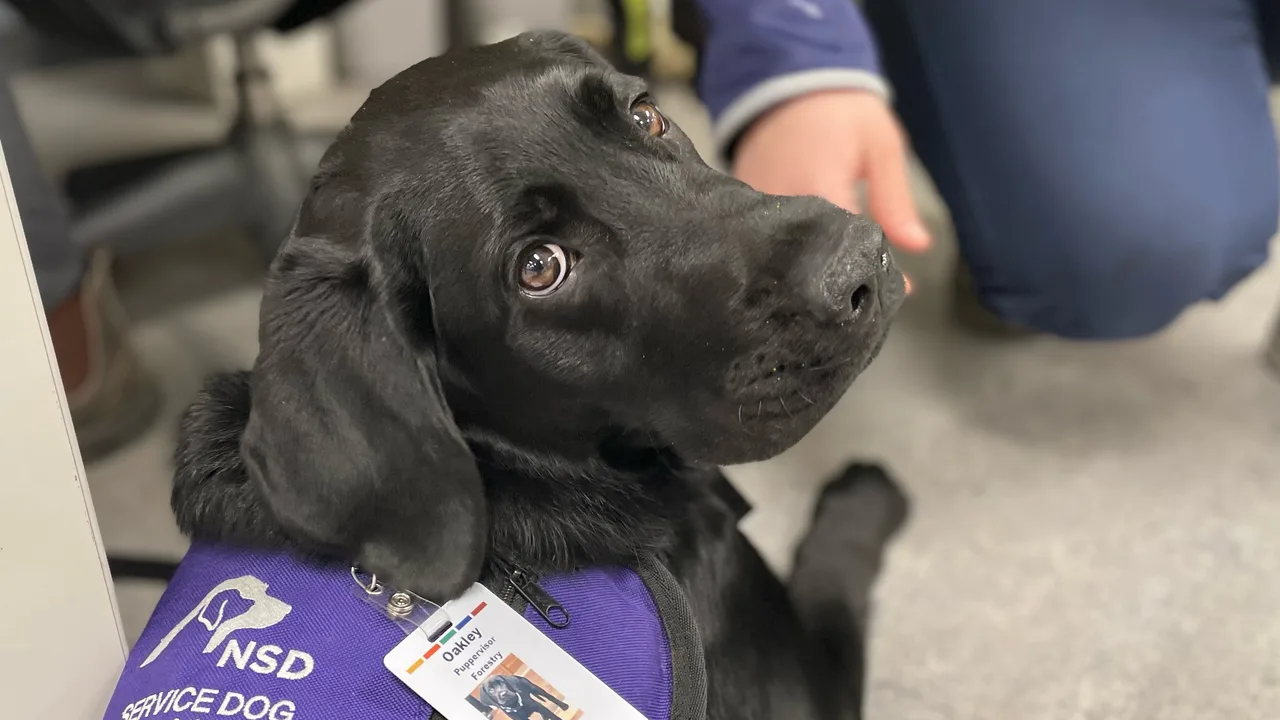
A public café should not become a test of someone’s disability
A service dog has important work to do, but it has not stopped being a dog. A brief sniff or a vest removed outside does not give a stranger enough information to decide that the handler is misrepresenting a disability. At a Waterloo café, the useful distinction is between a real behavioural problem that staff can address and a public accusation based on an incomplete glimpse.
That matters to handlers as much as to businesses. In local discussion, people using service animals described concern about uncontrolled dogs disrupting or threatening their working animals. Others raised allergies and the burden on staff. These are reasons for clear customer-service policies and an appropriate response to what is happening, rather than a competition to expose somebody at the next table.
Ontario’s framework provides the starting point. Service animals may be readily identified through visual indicators, or the person may provide documentation from a regulated health professional confirming a disability-related need. The province does not require a special service-animal identity card. A purchased card and a confident accusation are equally poor substitutes for understanding that framework.
Source: Ontario: accessibility and identifying service animals
Source: Ontario: making customer service accessible
Source: Uptown café service-dog concerns and handlers’ replies, autumn 2026
The people worried about disruption include handlers
Handlers were not asking everyone to ignore behaviour. One described the fear of an uncontrolled animal attacking a working dog and disrupting the support that dog provides. Other contributors raised allergies, aggressive behaviour and the pressure placed on café staff expected to resolve a confrontation without a clear workplace policy.
Those are reasons for businesses to understand their obligations and respond to actual problems. They are not reasons for customers to diagnose a stranger from a vest. Ontario’s accessible-customer-service guidance places the animal’s care and supervision with the customer, and tells staff not to distract or touch a working animal.
The discussion also showed how quickly suspicion can spread to other disability aids. People who sometimes walk may still need wheelchairs for distance, fatigue or particular environments. Visible movement does not reveal the whole reason for assistance. The same restraint is useful at a café table: concern about a real disturbance can be expressed without demanding somebody’s private story.
Source: Uptown café service-dog concerns and handlers’ replies, autumn 2026
Source: Ontario: making customer service accessible
What a useful business policy looks like
The provincial guidance asks operators to identify the public areas where service animals are welcome and consider how their practices will accommodate customers using them. It places care and supervision of the animal with the customer and tells staff not to distract, touch or address a working animal. Those are practical instructions people can use before a difficult situation begins, rather than rules invented during an argument in front of other customers.
When another law excludes an animal from an area, the business should arrange another way to provide the service. Ontario’s own restaurant example distinguishes the kitchen from the public dining area and moves a supplier meeting to an alternative room. That illustrates why access questions need the actual space and service identified. A general assertion that dogs are allowed, or that animals are forbidden wherever food exists, loses the distinction the guidance is designed to preserve.
Source: Ontario: making customer service accessible
The paperwork question has an Ontario answer
Ontario says a service animal may be readily identified through visual indicators, or its user may provide documentation from a regulated health professional confirming a disability-related need. The province does not require a special service-animal identity card or certificate. An impressive-looking internet card therefore does not resolve the question, just as the absence of one does not establish fraud.
Where identification is not readily apparent, businesses should use the province’s customer-service guidance about appropriate documentation. Staff need training and a manager’s support, rather than a collection of conflicting advice imported from other jurisdictions. American rules and Ontario rules should not be treated as interchangeable.
There are limits to access, including places where another law excludes animals. A restaurant kitchen and a public dining area are not the same setting. The guidance also requires an alternative way to provide the service when an animal is legally excluded. These details protect the customer while giving an operator a practical framework.
The humane response is neither automatic suspicion nor indifference to safety. Leave working animals alone, raise a specific concern with staff and let the business follow a consistent policy. A service dog does an important job, but it has not signed a contract promising never to notice an interesting smell. Its handler should not have to defend a disability every time it does.
Source: Ontario: accessibility and identifying service animals
Source: Ontario: making customer service accessible
Source: Uptown café service-dog concerns and handlers’ replies, autumn 2026
Source: Uptown café service-dog concerns and handlers’ replies, autumn 2026
Questions people ask
Does Ontario require a service-dog identity card?
No. The province says a special identity card or certificate is not required.
Source: Ontario: accessibility and identifying service animals
Is a service vest the only way to identify a service animal?
No. Visual indicators can identify one, and appropriate documentation may establish a disability-related need where identification is not apparent.
Source: Ontario: accessibility and identifying service animals
Can a business ask for documentation?
Ontario’s guidance allows appropriate documentation when the animal is not readily identifiable as a service animal.
Source: Ontario: making customer service accessible
Does that documentation have to come only from a physician?
No. Ontario recognises documentation from specified regulated health professionals, not only doctors.
Source: Ontario: accessibility and identifying service animals
May staff pet or distract a working service dog?
They should not touch or distract it. Speak to the person using the animal.
Source: Ontario: making customer service accessible
Who looks after the service animal in a business?
The customer remains responsible for its care and supervision.
Source: Ontario: making customer service accessible
Can a service animal go into a restaurant kitchen?
Not where another law excludes animals. Public dining areas are a different setting.
Source: Ontario: making customer service accessible
What happens when an animal is legally excluded?
The provider must offer another appropriate way for the customer to access the service.
Source: Ontario: making customer service accessible
Does sniffing once prove a service dog is fake?
No. Handlers in the local discussion explained that working dogs can briefly notice their surroundings.
Source: Uptown café service-dog concerns and handlers’ replies, autumn 2026
What should a customer do about a specific animal disturbance?
Describe the actual behaviour to staff and let the business apply its accessibility and supervision policy, rather than confronting the handler about an assumed disability.
Something changed? Tell us about a correction.